
UK DIY News
Expert Discusses Pre-winter Outdoor Maintenance
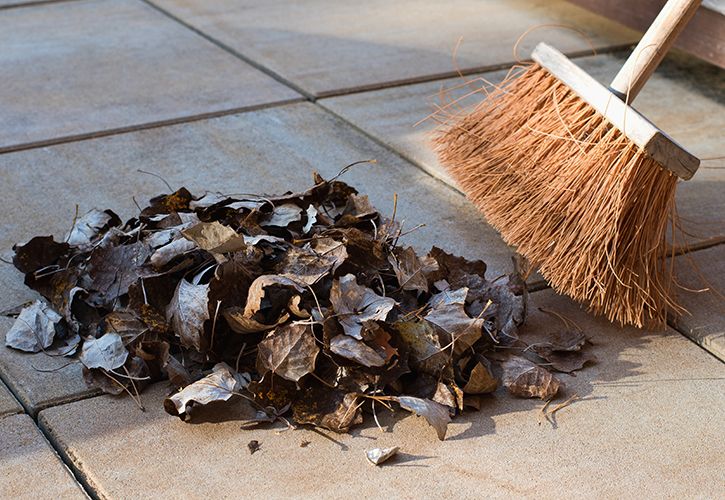
- From pool surrounds to rills and expansive terraces, an outdoor cleaning specialist explains where homeowners should focus on the most before frost arrives
Over two-thirds (68%) of people largely abandon or neglect active garden maintenance and routine outdoor use during the winter months. But with outdoor spaces becoming an extension of the home, upkeep is vital for defining features such as swimming pools, formal rills and entertaining terraces.
However, searches for ‘outdoor maintenance’ have soared by 284% over the past quarter.
This comes as many gardens now experience damp conditions, water run-off and a build-up of leaves, algae and moss, causing previously unnoticed issues with copings, joints and drainage that are becoming more apparent.
With this in mind, Ellie Parker, a natural stone expert from Oxfordshire based Stoneworld, has recommended five checks to continue using your garden all year round.
Five winter garden red flags homeowners should check before frost arrives:
1. Ignoring the places where water lingers
According to Parker: “The first thing I would do is walk around after rainfall. The areas that stay wet, collect leaves or hold silt are the places that need attention first.”
Follow the route water takes through the garden, checking outlets beside rills, the junction between pool copings and paving, step edges, wall abutments and low points across terraces. Clear debris that obstructs drainage and look for cracked copings, failed joints or movement, as trapped water can exploit vulnerable details during repeated freezing.
2. Treating pools and rills like an ordinary patio
Parker explained: “Stone beside water has a different job to do. Around a pool or rill, you have to think about drainage, water chemistry and how the wider feature operates before choosing a cleaning product.”
Pool copings sit between treated water and the wider garden, so stains may be connected to water chemistry, drainage or surface contamination. Keep copings clear of leaves, avoid conventional de-icing salts and check that any cleaner is compatible with the stone, finish and joints. For rills, clear leaves and silt from channels and outlets; if the feature is being shut down, follow its designer’s or installer’s instructions for pumps and water levels.
3. Assuming a large terrace behaves as one surface
She added: “A big terrace can have several microclimates. One section may dry quickly while another stays damp because of shade, planting, furniture or roof run-off.”
Divide a large terrace into manageable zones and compare how each respond after rain. Shaded sections, areas beneath planting and places affected by roof run-off may stay damp long after exposed paving has dried. Move pots and metal furniture that trap moisture or risk transferring rust and tackle any cleaning section by section so treatment remains within its recommended working time.
4. Sealing automatically before winter
On sealing, Parker said: “Sealing can be useful, but it is not something to do automatically. The product must suit the stone, its finish and any existing coating or jointing system.”
Before sealing, establish whether the surface would benefit and whether an earlier coating is already present. Porosity, finish and the jointing system all affect product choice. Compatible options include products within the Rob Parker’s Best range, but application must follow the manufacturer’s preparation guidance and should not take place in wet or frosty weather.
5. Reaching for the most aggressive cleaner
She cautioned: “More pressure does not always mean a better result. You need to know what the stone is, understand the finish and test the gentlest suitable method first.”
Begin by sweeping away loose dirt and identifying the material before applying anything. Where embedded grime, greasy marks, black spot or organic growth requires a specialist treatment, Stoneworld uses Rob Parker’s Best Patio Cleaner on its own exterior displays. Even then, the advice is to test a small area, apply it in a controlled way and work across large surfaces in sections so it can be agitated and rinsed before drying.
Parker concluded: “Winter care does not have to mean doing more to every surface. It is about noticing where water and debris are causing pressure, choosing methods that suit the material and dealing with small problems before the weather has a chance to make them worse.”
Source : Stoneworld
Image : Tunatura / shutterstock / 2367286217




Insight provides a host of information I need on many of our company’s largest customers. I use this information regularly with my team, both at a local level as well as with our other international operations. It’s extremely useful when sharing market intelligence information with our corporate office.


Don't miss out on all the latest, breaking news from the DIY industry