
UK DIY News
From How-to Videos to AI Assistants, DIY Advice has Moved Online

- From how-to videos to AI assistants, DIY advice has moved online. But when money’s on the line, people still hesitate
By Lisa Nassif, Head of Consumer and Construction, UK and Ireland, Henkel
The first steps of a home improvement project now happen online. The inspiration comes from visual platforms like Instagram or Pinterest, and the how-to from a YouTube video filmed by a fellow DIYer and watched the night before the work begins.
Increasingly, the same social feeds that inspire the project sell the products too, with three in ten UK shoppers buying a product on a creator’s recommendation, according to research from Bazaarvoicei.
Most people now check stock before they set out to a store, and many pay ahead for collection. More than a quarter of all UK retail sales take place online, on Office for National Statistics figuresii.
This shift has driven a change in how manufacturers and retailers build their offerings and product portfolio around that purchase behaviour, with live stock visibility at the local branch, click and collect, same-day fulfilment, mobile-first shopping and consistent pricing across websites and stores, the seamless experience shoppers now expect.
For suppliers, that means being present wherever the consumer chooses to shop. Shoppers and tradespeople now weigh convenience, speed and expertise more heavily than the size of the range on offer. In this year’s UK Houzz and Home studyiii, 49 per cent of homeowners completed a renovation project and 44 per cent carried out repair work, up from 39 per cent the year before, and the median renovation spend eased to £20,000. More of the work is now in repairs, and budgets are tighter.
Tighter budgets make every purchase count, and, against this backdrop, brands are doing everything in their power to engage customers directly and at the very start of their home improvement journey.
Retailers hold vast amounts of shopper data. Retail media, advertising bought inside the retailer's own site and app, lets brands put that data to work, reaching shoppers close to the purchase decisions and measuring the impact of what they spend. At Henkel, we are already investing in retailer-led commerce and retail media in the UK, alongside our own digital platforms, drawing on the technical expertise of our people to help consumers make better shopping decisions.
The new store assistant
Plenty of DIY jobs never start because people are not sure they can do them. AI is beginning to change that.
In the past few years, DIY shoppers themselves have started to use AI. The same assistants that draft people’s emails and plan their holidays are being asked which adhesive to buy, how to sequence a job, why the paint bubbled.
Research from Commerce and PayPaliv published in June found 64 per cent of UK consumers were interested in trying agentic shopping tools. These are AI assistants that can look into products, compare options and buy on a shopper’s behalf.
With consumer budgets ever tighter, a DIY shopper needs to be confident they have the right product and the right method before they pick up a tool.
For a tradesperson the stakes are higher again. On complex jobs they need products that perform, arrive fast and are in stock when they need them, and a product that lets them down costs them the day and sometimes the client.

Where the product knowledge sits
The advice AI assistants give is only as good as the product knowledge behind it, and the deepest knowledge of any product sits with the company that makes it. A manufacturer knows which adhesive holds on which surface, at what temperature, under what load, because it built and tested the product. Suppliers are now finding routes to put that knowledge in front of customers digitally, some through general assistants like ChatGPT and Gemini, some through tools of their own.
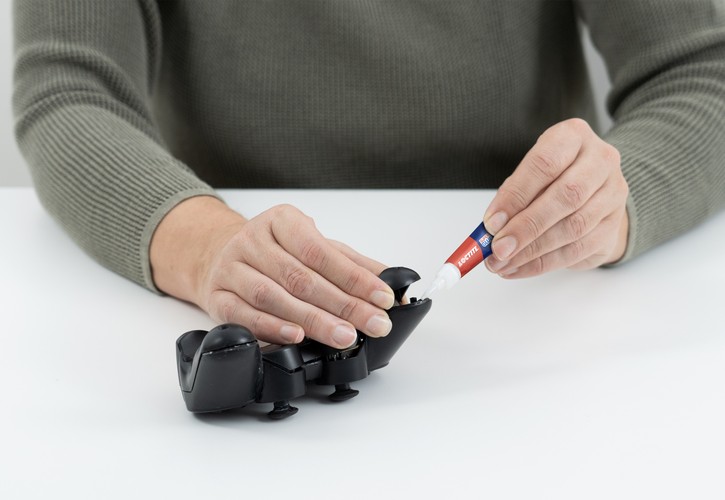
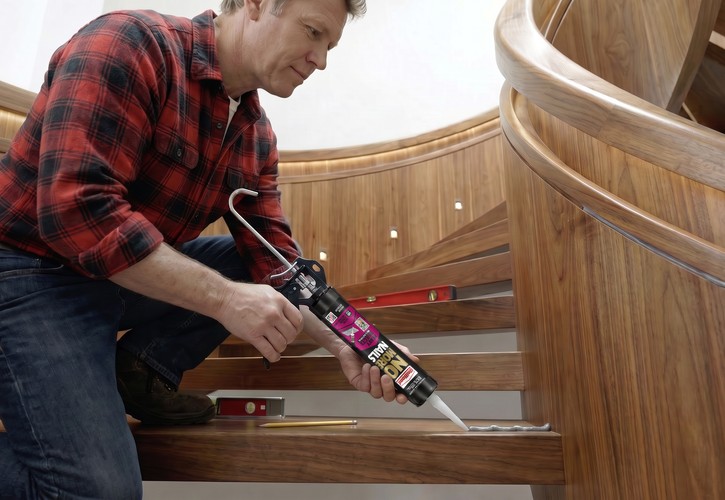
Across the Henkel group, our brand websites do that work for consumers. The UniBond, Loctite and Pritt sites pair the products with step-by-step guides, from choosing the right adhesive or sealant to getting the job done.
As more consumers take on home improvement jobs themselves, it is important that we support them, sharing our knowledge through easy, practical advice.
AI on its own is not enough, and the confidence to buy comes from the balance of digital and human advice.
i Bazaarvoice, UK consumer behaviour research, 2026: https://www.bazaarvoice.com/blog/uk-consumer-behavior-gets-deal-driven-digital-first-brand-selective/
ii Office for National Statistics, internet sales as a percentage of total retail sales, series J4MC: https://www.ons.gov.uk/businessindustryandtrade/retailindustry/timeseries/j4mc/drsi
iii Houzz, UK Houzz and Home renovation trends study, 2026, via Insight DIY: https://www.insightdiy.co.uk/articles/uk-houzz-and-home-renovation-trends-study/1459.htm
iv Commerce and PayPal, agentic commerce research, June 2026: https://www.globenewswire.com/news-release/2026/06/23/3315902/0/en/64-of-UK-Consumers-Want-to-Use-Agentic-AI-for-Shopping-According-to-New-Research-from-Commerce-and-PayPal.htm
Source : Henkel - Lisa Nassif, Head of Consumer and Construction, UK and Ireland
Images : Henkel




Thank you for the excellent presentation that you gave at Woodbury Park on Thursday morning. It was very interesting and thought-provoking for our Retail members. The feedback has been excellent.


Don't miss out on all the latest, breaking news from the DIY industry