UK DIY News
ONS: Fuel Purchases Drove Retail Sales Growth in March
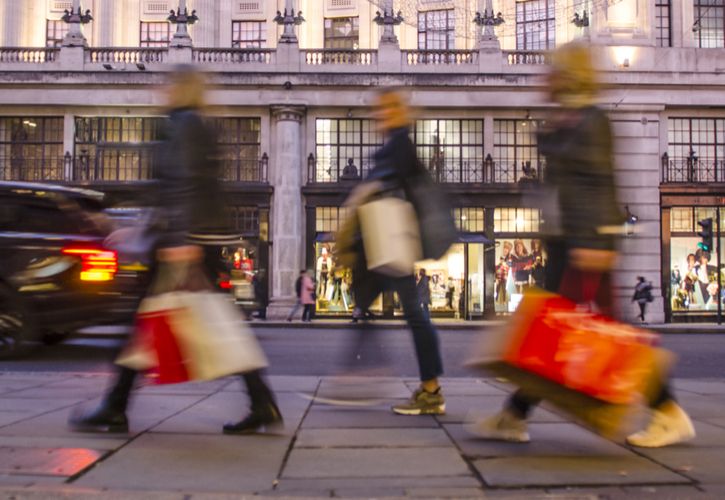
The ONS has published retail sales data for March 2026.
1) Overview
The quantity of goods bought (volume) in retail sales is estimated to have risen by 1.6% in Quarter 1 (Jan to Mar) 2026, compared with Quarter 4 (Oct to Dec) 2025. Non-food stores’ sales volumes grew, with art selling well in January and February, alongside a strong quarter for cosmetic and toiletries stores, with new collections being launched. Beyond this, non-store retailers also had a strong Quarter 1.
Retail sales volumes are estimated to have risen by 0.7% in March 2026, following a fall of 0.6% in February 2026 (revised down from a 0.4% fall in our previous bulletin) and a rise of 1.8% in January 2026 (revised down from a 2.0% rise in our previous bulletin). Fuel sales rose sharply on the month, with retailers reporting that motorists stocked up on fuel as prices rose.
Total retail sales, excluding automotive fuel, rose by 0.2% on the month. Clothing stores' sales volumes rose, which retailers attributed to the improved weather. Computer and telecoms stores, and non-store retailers, saw an increase in sales volumes as retailers reported new product launches.
2) Retail sales in March
Sales volumes rose over both the month and the quarter
Sales volumes rose by 1.6% in Quarter 1 (Jan to Mar) 2026, compared with Quarter 4 (Oct to Dec) 2025. Sales volumes were 2.7% higher than in Quarter 1 2025.
Sales volumes rose by 0.7% over the month during March 2026, following a fall of 0.6% in February 2026. When excluding automotive fuel from the total, volumes rose by 0.2% over the month to March 2026.
Sales volumes (including automotive fuel) rose by 1.7% over the year to March 2026. Volumes were down by 0.1% compared with their pre-coronavirus (COVID-19) pandemic level in February 2020.
Good Friday (3 April 2026) was included in the reporting period which covered 1 March 2026 to 4 April 2026. In 2025, Good Friday was included in the April release. This shift is accounted for in our seasonal adjustment.
3) Retail sector volumes
Fuel retailers, other non-food stores, and non-store retailers rose over the three months to March 2026
Sales volumes rose by 1.6% in Quarter 1 (Jan to Mar) 2026, compared with Quarter 4 (Oct to Dec) 2025. Other non-food stores rose by 4.7%, its largest three-monthly rise since March 2024. Within this, commercial art galleries did well earlier in the quarter, while cosmetics and toiletries stores rose across all three months of Quarter 1 as retailers reported launching new collections. Non-store retailers (which are predominantly online) also rose, with boosts from retailers selling sports supplements in January. There were also suggestions that the spring sales went well, with some non-store retailers mentioning new product launches.
Sales volumes rose by 0.7% over the month to March 2026. This was largely because of a rise in fuel sales, with many retailers reporting motorists stocking up on fuel because of the war in the Middle East.
All retail, excluding automotive fuel, rose by 0.2% over the month. Non-food stores (the total of department, clothing, household, and other non-food stores) rose by 0.7% as sales of clothing improved, with retailers reporting better weather. Within other non-food stores, both auction houses and computer and telecoms retailers also performed well, with reports of new product launches. This was offset by a fall-back in commercial art galleries following a strong January and February 2026. Non-store retailers also rose on the month amid the spring sales and new products being released, with volumes at their highest level since February 2022.
4) Online retail values
Online sales rose both over the month and over the three months to March 2026
The amount spent online, known as "online spending values", rose by 2.5% when comparing Quarter 1 (Jan to Mar) 2026 with Quarter 4 (Oct to Dec) 2025. It rose by 11.7% when comparing the same period with Quarter 1 2025.
Within the monthly series, online sales values rose by 2.4% over the month to March 2026. They rose by 10.5% when comparing March 2026 with March 2025.
The total spend (the sum of in-store and online sales) rose by 1.8% over the month. As a result, the proportion of sales made online rose from 28.2% in February 2026 to 28.7% in March 2026.
Commentary
Responding to the latest ONS Retail Sales Index figures, Harvir Dhillon, Economist at the British Retail Consortium, said:
“Food sales were boosted last month as families and friends came together for Easter. Health and beauty continued to perform well, as did computers with people upgrading to newer models. Meanwhile, items such as TVs struggled as people held back on larger purchases, and footwear also continued to struggle with low demand.”
“Ongoing geopolitical volatility has dragged down consumer confidence, which is now at a record low. And while higher inflation may deliver the sugar high of greater sales values, volumes are likely to drop as the cost of living squeeze gets worse. Government should focus on keeping domestic policy costs down to avoid adding further inflationary pressures, from the Employment Rights Act and new healthy food rules, to non-commodity charges which make up such a large proportion of energy bills.”
Omnisend
Marty Bauer, ecommerce analyst at Omnisend, comments: “March’s rise in retail sales suggests consumers have not retreated from spending, but are continuing to be highly selective about when they are willing to part with their money.
“After a softer February, this rebound will be a welcome sign for retailers heading into spring.
“Improved weather appears to have given a seasonal lift, and the current spell of sunshine across most of the country is likely to see that trend continue. This is particularly the case for clothing, while new product launches helped drive interest online and in specialist categories. If there’s a clear trigger for consumers to spend, they will do so.
“The sharp increase in fuel sales also reflects how external pressures continue to shape shopping behaviour. The knock-on effects of the conflict in the Middle East really began to settle into the retail sector in March, and motorists flooded the forecourts to stock up on fuel. Supermarkets saw the bulk of this trade, as prices tended to be cheaper.
“When consumers anticipate rising costs, they often act early, and that same mindset carries across retail more broadly, with shoppers increasingly strategic about when they buy and how they secure value.
“For ecommerce brands, the uplift in non-store sales underlines the importance of meeting customers at moments of intent. Whether through personalised email campaigns, product drops or timely promotional activity, retailers that create reasons to buy rather than simply waiting for demand are likely to have performed strongest.
“While these figures will give retailers encouragement, they do not point to carefree spending. The pattern remains one of cautious but responsive demand, where shoppers will engage, but often only when value, timing or relevance align in the right way.
“While hostilities in the Middle East may have temporarily calmed down, the effects on global trade will continue to impact the flow of goods, which Brits will ultimately feel in their pockets in the months ahead.”
Source : ONS, BRC, Omnisend
Image : William Barton / shutterstock / 753265135




I find the news and articles they publish really useful and enjoy reading their views and commentary on the industry. It's the only source of quality, reliable information on our major customers and it's used regularly by myself and my team.


Don't miss out on all the latest, breaking news from the DIY industry