UK DIY News
ONS: Inflation Rose 3.6% in October
The BRC has published inflation data for October 2026:
Main points:
- The Consumer Prices Index including owner occupiers’ housing costs (CPIH) rose by 3.7% in the 12 months to October 2026, up from 3.6% the previous month.
- On a monthly basis, CPIH rose by 0.5% in October 2026, compared with a rise of 0.4% in October 2025.
- The Consumer Prices Index (CPI) rose by 3.6% in the 12 months to October 2026, up from 3.5% the previous month.
- On a monthly basis, CPI rose by 0.5% in October 2026, compared with a rise of 0.4% in October 2025.
- Transport, particularly motor fuels, made the largest upward contribution to the monthly change in both CPIH and CPI annual rates; restaurants and hotels made the largest, partially offsetting, downward contribution.
- Core CPIH (CPIH excluding energy, food, alcohol, and tobacco) rose by 3.1% in the 12 months to October 2026, little changed from September; the CPIH goods annual rate rose from 3.2% to 3.5%, while the CPIH services annual rate was 3.9%, little changed from September.
- Core CPI (CPI excluding energy, food, alcohol, and tobacco) rose by 2.8% in the 12 months to October 2026, little changed from September; the CPI goods annual rate rose from 3.2% to 3.5%, while the CPI services annual rate was 3.7%, little changed from September.
BRC
Responding to the latest CPI inflation figures, which show headline inflation rising to 3.6% and food inflation falling to 0.9%, Harvir Dhillon, Lead Economist at the British Retail Consortium, said:
“Headline inflation edged up in October, driven mainly by transport costs, while food inflation fell to its lowest rate in nearly five years, with notable falls in butter and chocolate prices. Clothing and footwear fell into deflation, while the onset of colder weather brought down garden furniture prices. Food prices have risen just 0.5% this year, but higher energy and transport costs could push food inflation back towards 2% and overall inflation towards 4% early next year.”
“Yesterday’s Milburn review proposed doubling the threshold at which retail and hospitality employers pay National Insurance for under 25s. Implementing this as soon as possible would help ease employment costs just as inflationary pressures build. For labour-intensive sectors, such as retail, this would help businesses absorb rising costs while giving retailers greater confidence to keep younger seasonal staff on beyond Christmas and January.”
CBI
Martin Sartorius, Lead Economist, CBI, said:
“Inflation picked up again in October, broadly as expected. The only way is up from here: inflation is likely to climb further in the coming months, reaching a peak north of 4% early next year.
“So far, the rise in inflation has been narrowly concentrated in fuel prices and household energy bills, reflecting higher global energy costs. There is little evidence yet of price pressures spreading more widely across goods and services. But November’s interest rate rise shows that the Bank of England is unwilling to wait for this to happen before taking action, or for evidence that global price pressures are becoming embedded in wage and price-setting behaviour. Further rate rises therefore remain a distinct possibility in the months ahead.
“Higher inflation will mean another squeeze in living standards, undermining the resilience in economic growth that we’ve seen so far. Combined with higher borrowing costs, this points to a softer near-term economic outlook and tougher trading conditions for businesses.”
PwC
Commenting on the latest Office of National Statistics Consumer Price Index data for October 2026, Adam Deasy, Economist at PwC UK, says:
“Inflation is higher again, but not yet broader. October’s slight rise to 3.6% is still being driven largely by energy costs, particularly an all-time peak in diesel prices, but core inflation remains unchanged at 2.8% and food inflation fell. So far, there is still limited evidence that the energy shock is feeding meaningfully through into wider prices and wages.
“Those second-order effects may still materialise, but the wider economic data for the UK remains mixed. Strong GDP growth for the third quarter may be offset by a stalling labour market, with vacancies falling to the lowest outside COVID since 2014, that reduces pressure on wages. And while household energy bills have further to rise, the sharp fall in oil prices since the Bank of England finalised its headline-grabbing ‘5% peak’ November forecast may mean that the inflation outlook looks marginally less threatening than it did a few weeks ago.
“For the Bank, the question is increasingly not whether rates needed to rise, but how many increases will ultimately be required. November’s rise was partly insurance against inflation becoming embedded. A December increase may still be on the cards, but a broadly expected CPI print, softer wage growth and lower oil prices may strengthen the case for moving cautiously from here.”
Source : ONS; BRC; PwC
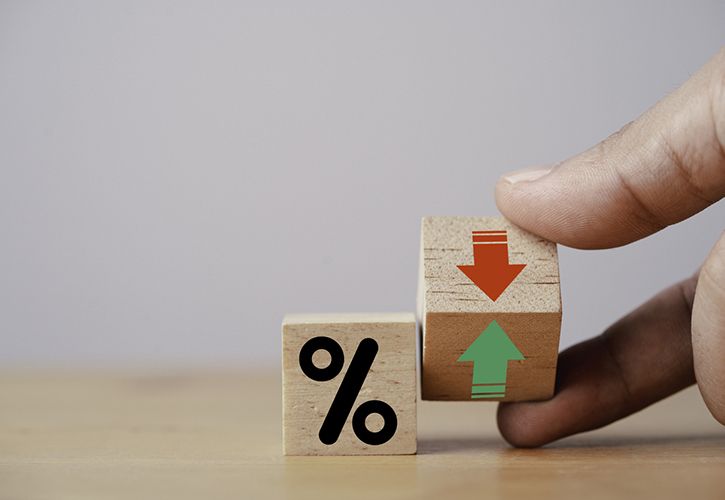
Image : Dilok Klaisataporn / iStock / 1414982888




Insight DIY is the only source of market information that I need and they always have the latest news before anyone else.


Don't miss out on all the latest, breaking news from the DIY industry