UK DIY News
ONS: Inflation Rose to 2.9% in July
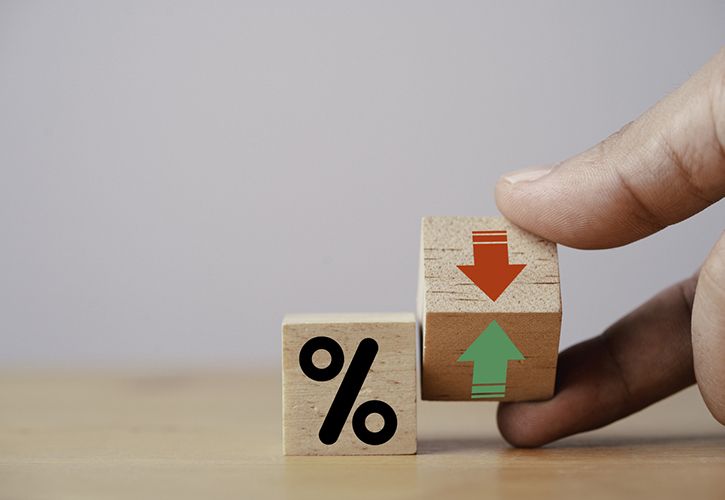
The ONS has published inflation data for July.
Main points:
The Consumer Prices Index including owner occupiers' housing costs (CPIH) rose by 3.1% in the 12 months to July 2026, up from 2.8% the previous month.
On a monthly basis, CPIH rose by 0.3% in July 2026, having been little changed in July 2025.
The Consumer Prices Index (CPI) rose by 2.9% in the 12 months to July 2026, up from 2.6% the previous month.
On a monthly basis, CPI rose by 0.3% in July 2026, compared with a rise of 0.1% in July 2025.
Housing and household services, and furniture made the largest upward contributions to the monthly change in both CPIH and CPI annual rates; transport made the largest, partially offsetting, downward contribution.
Core CPIH (CPIH excluding energy, food, alcohol and tobacco) rose by 2.9% in the 12 months to July 2026, up from 2.8% in June; the CPIH goods annual rate rose from 1.7% to 2.2%, while the CPIH services annual rate was unchanged, at 3.6%.
Core CPI (CPI excluding energy, food, alcohol and tobacco) rose by 2.6% in the 12 months to July 2026, unchanged from the 12 months to June; the CPI goods annual rate rose from 1.7% to 2.2%, while the CPI services annual rate eased from 3.6% to 3.4%.
The Consumer Prices Index including owner occupiers' housing costs (CPIH) rose by 3.1% in the 12 months to July 2026, up from 2.8% the previous month (Figure 1). This was the first time since March 2026 that the 12-month rate had increased.
On a monthly basis, CPIH rose by 0.3% in July 2026, having been little changed in July 2025.
The Consumer Prices Index (CPI) rose by 2.9% in the 12 months to July 2026, up from 2.6% the previous month. This was the first time since March 2026 that the 12-month rate had increased.
On a monthly basis, CPI rose by 0.3% in July 2026, compared with a rise of 0.1% in July 2025.
Consumer price inflation rates
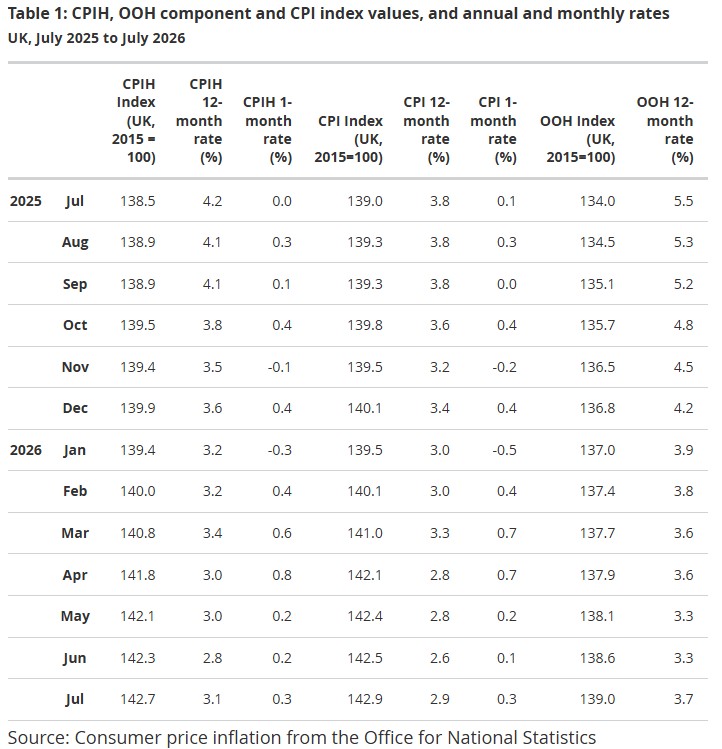
The Consumer Prices Index including owner occupiers' housing costs (CPIH) rose by 3.1% in the 12 months to July 2026, up from 2.8% the previous month (Figure 1). This was the first time since March 2026 that the 12-month rate had increased.
On a monthly basis, CPIH rose by 0.3% in July 2026, having been little changed in July 2025.
The Consumer Prices Index (CPI) rose by 2.9% in the 12 months to July 2026, up from 2.6% the previous month. This was the first time since March 2026 that the 12-month rate had increased.
On a monthly basis, CPI rose by 0.3% in July 2026, compared with a rise of 0.1% in July 2025.
Notable movements in prices
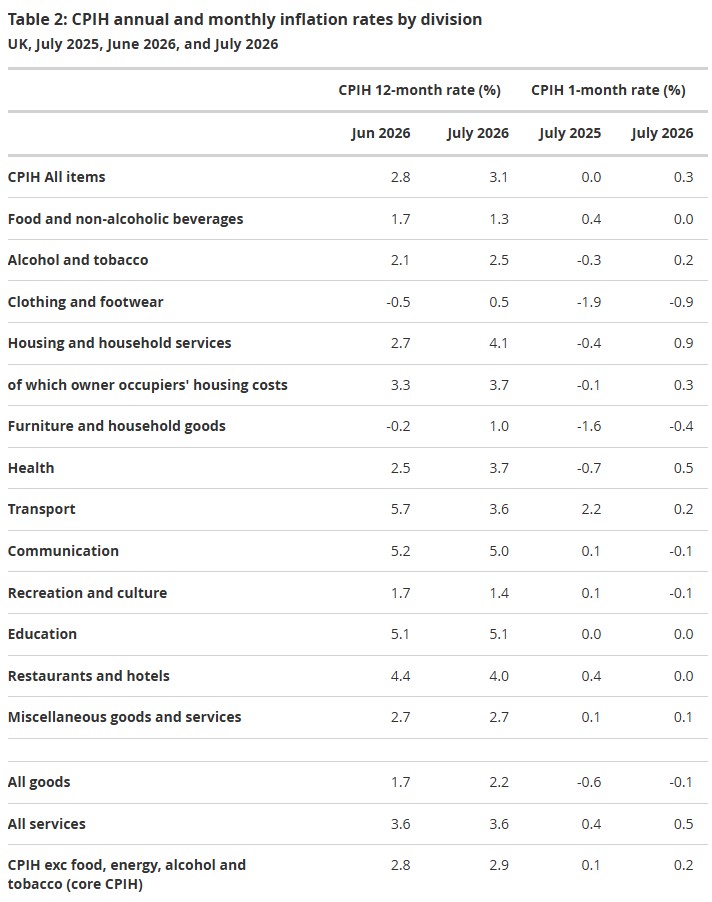
Table 2: CPIH annual and monthly inflation rates by division - UK, July 2025, June 2026, and July 2026
 Source: Consumer price inflation from the Office for National Statistics
Furniture and household goods
Prices of furniture and household goods overall rose by 1.0% in the 12 months to July 2026, compared with a fall of 0.2% in the 12 months to June. On a monthly basis, prices fell by 0.4% in July 2026, compared with a fall of 1.6% a year ago. While prices tend to fall in July, this was the smallest fall in prices in July since 1989.
The rise in the 12-month rate resulted principally from prices of furniture and furnishings falling in July 2026, but by less than a year ago. There were smaller upward contributions from tools and equipment for house and garden, and goods and services for routine household maintenance.
Commentary:
KPMG UK
- Yael Selfin, Vice Chair and Chief Economist
“Today’s data is not expected to cause significant concern for the Bank of England, with domestic price pressures still moderating and inflation broadly in line with its latest projections. While higher energy prices are putting upward pressure on headline inflation, the MPC is likely to look through this provided underlying price pressures remain contained. We expect interest rates to remain unchanged for the remainder of the year.
“Encouragingly, underlying inflation continued to ease in July, with services inflation slowing to 3.4%. Unlike in 2022, when higher energy prices fed into wider cost increases across the economy, softer labour market conditions are helping to limit the scale of a similar pass-through this time around. Higher energy costs are therefore unlikely to trigger significant second-round effects over the coming months.
“Headline inflation rose to 2.9% in July, driven by a sharp increase in household energy prices after the Ofgem energy price cap went up by 13%. This marks the beginning of a gradual upward trend in inflation, with further increases in energy-related costs expected to push inflation higher over the coming months. It is expected to peak at around 3.5% by the end of the year, although the outlook remains highly dependent on how the conflict in Iran evolves and its impact on global energy prices.”
PwC UK
- Adam Deasy, Economist
“July’s inflation increase is more related to mechanics than momentum; the scheduled Ofgem Energy Price Cap increase drove most of the jump. The annual rate of core CPI, which strips out volatile food and energy prices, was unchanged, continuing a trend where domestic inflationary pressures have been easing or more muted, supported by a softer labour market and faltering wage growth.
“However, external pressures may be building again. The conflict in the Middle East remains unresolved, while extreme weather - from the UK’s recent heatwaves to the risk of a strong El Niño - could add pressure on food prices down the line.
“As ever, the Bank of England is watching for second-round effects. Evidence from the July Monetary Policy Report suggests that these are yet to materialise meaningfully, but lags in pass-through mean this is an early indication rather than a clean bill of health. These factors interact; the longer external costs stay elevated, the more likely a temporary shock is to become embedded.
“Inflation is still on a bumpy path back to target. July’s increase was largely expected, but it is a reminder both that the full pass through of an energy price shock still looms, and that further shocks may yet knock the journey off course.”
Source : ONS, BRC, KPMG
Image : Dilok Klaisataporn / iStock / 1414982888




Insight DIY always publishes the latest news stories before anyone else and we find it to be an invaluable source of customer and market information.


Don't miss out on all the latest, breaking news from the DIY industry