
UK DIY News
Oxford Street Goes Traffic-free
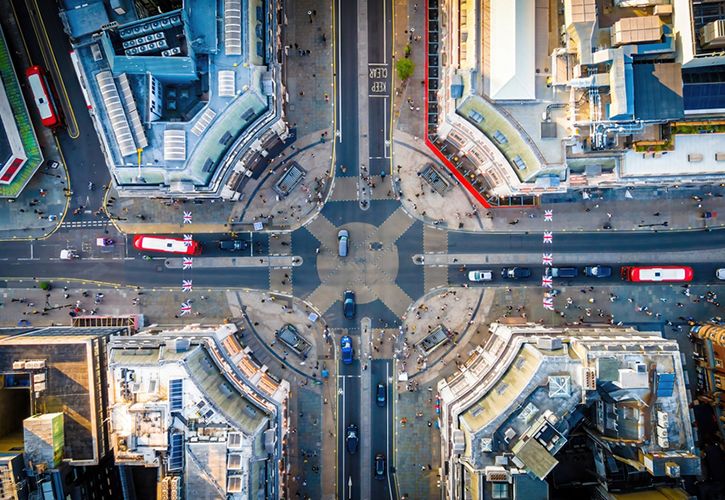
The nation’s high street is permanently traffic-free for the first time from today [26th October], as the Mayor’s bold vision of a world-class pedestrian plaza starts coming to life in time for its busiest Christmas shopping period
Mayor Sadiq Khan calls today a ‘truly momentous occasion for the capital’
Removing traffic is just the start of Oxford Street’s transformation, with major improvements planned for 2027
Ongoing transformation will see more than 50 new trees, 100+ seats, two public squares, rest areas and better signage to help more people enjoy the newly pedestrianised area
Today (Monday 26 October) marks the moment that Oxford Street becomes permanently traffic-free for the first time, with almost a kilometre of the iconic road pedestrianised, as the Mayor of London launches an exciting new chapter for the nation’s high street.
The section of Oxford Street between Orchard Street and Great Portland Street is now closed to private motorised vehicles, buses, taxis, private hire vehicles, cycles, scooters and pedicabs – transforming it into a place for people, not traffic, and creating a safe and spacious shopping hub in time for the busiest retail period of the year.
The transformation of Oxford Street has been in the making for decades, with previous attempts to pedestrianise the street failing to materialise. With the Mayor and Government now working together to deliver these bold plans, it finally unlocks a truly new era for the street.
Following extensive consultations showing widespread support from Londoners and businesses, with around 7 in 10 backing the Mayor’s plans [1], this key milestone in the history of the nation’s high street kicks off the transformative works. The first stage of the pedestrianisation project will see the introduction of a temporary ‘transitional scheme’ to deliver some immediate improvements for visitors, while enabling public feedback to help refine the final designs for a traffic-free Oxford Street.
The project will create a world-class destination for visitors and Londoners alike - where flagship retail sits alongside next-generation workplaces, leisure, culture and hospitality - giving people more reasons to visit, stay longer and return more often. The new pedestrianisation and wider regeneration project aims to put Oxford Street back among top global shopping destinations including Times Square, the Champs-Élysées and La Rambla.
Buses, taxis, bikes and other motor vehicles are being diverted onto nearby roads, with close monitoring from Transport for London (TfL) to ensure traffic moves effectively while creating a greener, safer and more accessible Oxford Street. New bus stops along Wigmore Street, Henrietta Place and Cavendish Place are approximately 200 metres from the traffic-free area – meaning people wishing to visit the area by bus can still do so easily and conveniently. Emergency services will have access to the street at all times, while deliveries can be made in the traffic-free area from midnight to 7am to support local businesses and retailers.
This is the first stage of a phased delivery programme, with minimal construction happening in the immediate weeks to reduce disruption in the busy Christmas period. By the end of spring 2027, visitors to Oxford Street should expect to see more than 50 new trees, two new public squares and better signage. More than a hundred new seats, dining tables and new lighting will also be installed to help more people enjoy the iconic area. TfL will be working to maintain the street to ensure that it remains a safe environment for all, while street cleaning within the pedestrianised area will continue to be carried out by Westminster City Council.
Design changes in this first phase are intended to be temporary, enabling real-time data collection and feedback on how people use the newly pedestrianised space – including residents, accessibility groups, businesses, police, workers and other stakeholders. This insight will help refine the design of permanent improvements to make Oxford Street as welcoming and inclusive as possible. Feedback can be shared by emailing info@oxfordstreet.org.uk, with further opportunities next year to attend events and give feedback in person.
Oxford Street is the nation’s high street, home to iconic brands and the flagship destination in London's Central Activities Zone – playing a significant global role in the retail, culture, entertainment and tourism sectors, with an annual spend of around £3.1bn [2]. It’s increasingly popular as an office location, particularly thanks to the Elizabeth line, with new developments attracting leading global and UK businesses [3]. Savills reports businesses rushing to secure space in the area ahead of its anticipated regeneration [4] as the Mayor’s transformational plans are designed to attract more national and international visitors - bringing the world to London and showcasing the best of London to the world - while also acting as a magnet for new customers, investment and jobs, driving growth and prosperity for decades to come.
Mayor of London, Sadiq Khan, said: “I’m hugely excited to see my bold vision for Oxford Street coming to life from today. It is a truly momentous occasion for the capital. I encourage everyone to explore and enjoy the newly traffic-free street, as we create a new vibrant destination that welcomes Londoners and visitors from around the world.
“For centuries, Oxford Street has reinvented itself, adapting to changing times and helping shape British culture along the way. There has been talk of pedestrianising Oxford Street for decades. After so many false dawns, and now working with a Government who share the scale of my ambition, I’m proud that we’re finally unlocking a new era for the street.
“The transformation will turn the nation’s high street into a world-class pedestrian space, where flagship retailers will sit alongside new shops and workplaces – and we’ll bring exciting new experiences to the street, from sport to fashion and cultural events. Revitalising Oxford Street will boost jobs and economic growth in the capital, unlock the full potential of this key part of the West End, and help build a better, greener and more prosperous London for everyone.”
London’s Transport Commissioner, Andy Lord, said: “Today is an exciting day for the West End as Oxford Street becomes traffic-free between Orchard Street and Great Portland Street, creating a safer space for people to enjoy the retail and leisure. A huge amount of work has gone into delivering this change, and as we continue to deliver further improvements to this new pedestrian space in the coming months, we will be closely monitoring these changes to make sure they are working for everyone and supporting the continued economic growth London needs.”
Oxford Street Development Corporation chief executive, Nabeel Khan, said: “Our ambition is to create an Oxford Street that works for everyone, whether they live, work, visit or run a business here. I am delighted that we have today reached a real milestone with nearly one kilometre of Oxford Street becoming traffic-free. This marks the beginning of a once-in-a-generation transformation for one of London's most iconic destinations. The transition phase is a vital opportunity for us at OSDC to test ideas, learn from people's experiences and work closely with local communities, businesses and accessibility groups to ensure the future street is as welcoming and inclusive as possible.”
Commentary
Following Oxford Street’s pedestrianisation, Ed Bradley, Chief Growth Officer at Virtualstock powered by Logicbroker, has shared his thoughts on the importance of government investment into high streets and how retailers can maximise this opportunity:
"Oxford Street’s pedestrianisation could breathe new life into the high street. With UK footfall down 3% year-on-year in September, it's encouraging to see investment in making our high streets more attractive places to visit, and I'd like to see more of this ambition across the country.
“Now, the opportunity is to make those visits count. The experience shoppers have inside stores shapes how they see a brand and whether they return. If someone makes the journey only to find the product they want unavailable, that's a missed sale and potentially a lost customer.
“Shoppers shouldn't be limited to what's on the shelves. By giving store teams access to products across wider supplier networks, retailers can offer a carefully curated range for home delivery or click and collect, without having to hold additional stock themselves.
“Pedestrianisation could bring more shoppers through the door, and giving them more choice once they're inside could help turn that renewed footfall into lasting sales growth.”
Source : Mayor of London; Ed Bradley, Chief Growth Officer at Virtualstock powered by Logicbroker
Image : Alexey Fedorenko / shutterstock / 2651052015




Insight DIY is the only source of market information that I need and they always have the latest news before anyone else.


Don't miss out on all the latest, breaking news from the DIY industry