
UK DIY News
Travis Perkins: Battling the January Blues on Site
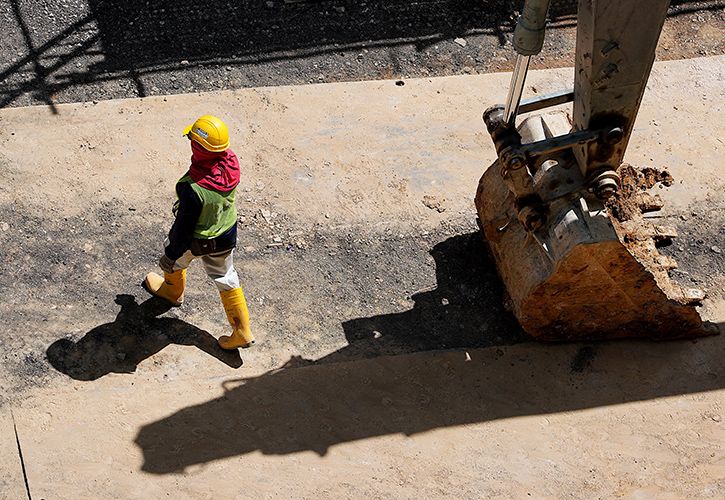
Tradespeople across the UK have started 2026 with the prospect of working in bitterly cold conditions, with the early days of January seeing the Met Office putting in place a series of Amber and Yellow warnings for snow and ice.
While there is no legal cold limit for working outdoors in the UK, those in the trade should consider how to protect their wellbeing when trying to complete jobs in harsh weather.
Lauren Cramp, HSE Director at builder’s merchant Travis Perkins, points out: “Working in cold weather comes with various dangers, one of which can be cold stress. This is where you are exposed to low temperatures and your body needs to work harder to sustain its core temperature.
“If your body gets to the point where it cannot stay warm, it will become vulnerable to illness and injuries – some of which can be life-threatening if ignored. So, you need to ask yourself if the work is essential to be done there and then or can be postponed until the weather warms up a bit.”
In situations where you do need to complete tasks in harsh wintry conditions, Travis Perkins has provided some tips to stay safe while working in the snow, ice and particularly cold weather…
Be More Thorough with Site Safety Checks
According to research reported on by PepTalk, a global leader in the construction sector for workforce engagement, intelligence and feedback, around a quarter of non-fatal injuries on construction sites during the winter are caused by slips, trips and falls.
Travis Perkins has a dedicated section of its website that focuses on winter safety around a construction site. Cramp commented: “Snow and ice can make everything from stairs and ladders to scaffolding and walkways around a building site a lot more hazardous to use.
“Reduce the risk of these pieces of equipment becoming unsafe by spreading grit on their surfaces before leaving a site when sub-zero temperatures are forecast overnight.
“An entire site should then be checked first thing the next morning before any trade work begins. Doing so will allow you to clear snow and ice from high-traffic areas, as well as clearly mark out any particularly dangerous areas where slips and falls are more likely so that they can be avoided.”
Must-Have Gear When Working in the Winter
The gear you wear during a job in wintry conditions will be of utmost importance too, as the clothing needs to be both comfortable and intended to keep you safe from the likes of cold stress.
Ensure you have these pieces of workwear ready to pick up whenever the temperatures drop to very chilly levels:
- A base layer of thermal tops and leggings
- Fleece jackets
- High-visibility jackets
- Insulated and water-resistant boots, ideally designed with ice grips
- Insulated and protective headgear
- Snoods
- Thermal gloves
- Thick wool socks
- Waterproof over-trousers
- Wearable lights
Cramp adds: “On top of these items, also always carry an entire change of clothing and footwear in your work vehicle. This way, you will not need to complete a commute at the end of a day in any clothes which do become wet.”
Plan Jobs Wisely
As well as often being a very cold month of the year, January can have its challenges where tradespeople feel their morale and productivity levels take a hit too.
Cramp therefore recommends: “Reduce the stress that can be felt at the turn of the year by putting in place flexibility as much as possible when scheduling in work. Factoring in additional time to account for bad weather conditions and reduced daylight will give you more breathing space.
“What’s more, your customers will be even more impressed if you complete a job quicker than you scoped.”
Even when the weather becomes too hazardous to work on tasks, you do not need to feel completely unproductive. In fact, you can use the slower pace to look into training and upskilling opportunities to become even more of a specialist in your trade.
Improve Your Health
As we alluded to in the previous section, the “January Blues” can really hit home when the thoughts of a festive period dwindle just as the weather becomes colder and there are other financial and emotional pressures being felt.
Cramp noted: “Whatever your line of work, you should be starting the year with the intention of making improvements that will see you looking after your health better.
“Enhance your sleep patterns by aiming for eight hours of sleep a night – preferably without being exposed to blue light from the likes of TVs or phones just before you fall asleep – and reduce your caffeine and alcohol intake, as these can destabilise your mood.
“Keeping your blood pressure and vitamin D levels at reasonable levels can improve how active you are when doing trade jobs as well.”
January is also a month where you can be feeling it in the pocket financially. If you are a tradesperson who works for your own business, take some time as the new year begins to chase any overdue invoices you have, claim tax reliefs and make any reasonable cuts to your budgets where spending is not necessary.
With January usually a tough month for tradespeople due to the combination of harsh working conditions and a post-holiday slump, it will be very wise to be using the beginning of the year to both refine your safety habits and find ways to improve your personal wellbeing.
Cramp acknowledged: “Planning jobs more wisely, improving your health, and enhancing your site safety checks and workwear can set you up so well for the rest of 2026 and beyond.”
Source : Travis Perkins
Image : Pexels / nicholas-lim / 3792575



Insight DIY is the only source of market information that I need and they always have the latest news before anyone else.


Don't miss out on all the latest, breaking news from the DIY industry