
UK DIY News
Why Women are the Solution to the Trades Skills Shortage
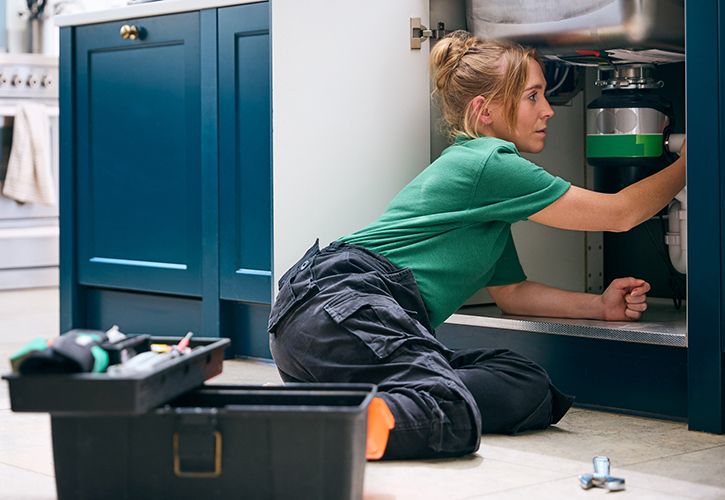
- Small but important obstacles are putting women off joining the trades, but to overcome the growing skills gap, female talent is more valuable than ever
Patricia Gardiner, sales and marketing director for Trade Direct Insurance, discusses why increasing the number of skilled female tradespeople is vital to address skills shortages:
The idea of attracting women into the trades is nothing new. Attempts have been made for years now to bring more female workers into a traditionally male-dominated sector. But whilst there have been varying degrees of success, many of the same problems persist.
With a growing skill shortage in the industry, diversifying the workforce is not just something that will benefit women seeking a career in the trades, but also a vital step to ensure continued sustainability in the sector as a whole, which is currently experiencing concerning levels of attrition as older, experienced workers leave the workforce without being replaced.
With more women entering the trades, the industry has a real opportunity to build on this momentum and help address the skills shortage. Female tradies are just as capable as their male counterparts, and the evidence suggests that a significant number of women outside of the trades would be open to a career on the tools. For an industry with a skills shortage, appealing to a greater number of prospective workers should be a no-brainer.
Identifying the opportunity presented by an expanded workforce of female tradies is one thing, but there is no doubt that institutional hurdles exist that make it more challenging and less appealing for women to join the industry. In order to make the trades a truly appealing career option for women, there are three main areas that need to be addressed in order to unlock this opportunity for growth.
1) Increasing awareness during education
Education institutions are prioritising pushing teenagers towards higher education, and this is especially true for girls. Nearly two-fifths (38%) of women say they would learn a trade if they had the chance again1, indicating significant untapped potential for the industry. With such strong interest, appealing to young women searching for a rewarding practical career on the tools is therefore a logical step to ensure the industry thrives in the long term.
We’re already seeing some improvements, but progress is slow. In the last 10 years, the percentage of women working in skilled trades has been growing in most industries, but numbers are still small. Some industries have seen more success than others, with growing numbers of female plumbers, electricians, painters and decorators.
To grow these numbers further, girls in school need to be aware of the opportunities available to them in the trades. A career on the tools is simply not something that is suggested to many girls as they consider their future, but by changing this, we can unlock a huge amount of potential.
2) Improving pathways to a career
As young women are not generally aware of opportunities in the trades when they’re in school, many female tradespeople enter the workforce by reskilling later in life. Here, the apprenticeship system presents a problem. A four-year apprenticeship, working one day a week for less than minimum wage, is a major hurdle for people who have already been working and earning.
Only large companies can afford to provide proper full-time apprenticeships, but these places are limited. The lack of appropriate financial compensation for older apprentices and limited full-time apprenticeships ultimately means that most women who are willing and interested in transitioning to a career in the trades are blocked unless they have the finances to self-fund or the time to commit to a long-term training program.
To enable professional women to be able to make the transition towards the trades, apprenticeships need to be a financially viable option. This would benefit the entire industry, encouraging older women and men alike to consider reskilling and attracting new talent to the industry.
3) Creating a safe working environment
Construction and the trades have traditionally been male-oriented industries, which can sometimes present additional challenges for women entering the workforce. For example, gender specific PPE has only this year become a legal requirement, meaning that many women in the trades have to make do with poorly fitting equipment made for men. This not only causes discomfort but also poses a very real health and safety risk on-site.
There is also the serious issue of workplace safety, with female workers being at risk of sexual harassment or assault from colleagues and customers. As well as being an important safety issue, these problems can put women off from wanting to join the industry, and contribute to women choosing to leave the industry earlier. Creating a safe working environment for tradeswomen is, therefore, a vital step towards creating an industry where women can thrive.
What’s next?
Growing the female workforce in our industry isn’t a question of making the trades more interesting to women; a significant number of women are already interested! Instead, the industry needs to make small but significant changes to unlock the huge potential of a growing female workforce. By creating pathways into the trades for women, we can make the challenge of closing the skills gap much easier to accomplish. With interest already present, the opportunity is clear; small changes now could have a lasting impact on the future of the industry.
The industry can embrace this opportunity through minor changes, ensuring that the trades are advertised in schools as a career option for girls, and making apprenticeships a more financially viable option by increasing support for companies offering placements. Governing bodies can also take steps to tackle women's safety issues, providing greater access to appropriate PPE and increasing protection from harassment.
For employers interested in attracting female tradespeople, there are several simple steps that can be taken. If you can offer apprenticeships, ensure that they are genuinely valuable learning experiences, and where possible, offer increased work to allow apprentices to learn on the job faster. You can also establish a safe working environment by providing, or helping apprentices obtain suitable, gender specific PPE, as well as ensuring both you and your apprentices are covered by Employer’s Liability Insurance.
Hattie Hasan MBE, Founder and Director of Stopcocks Women Plumbers, a women-only plumbing company, adds: “We’ve seen slow progress towards creating a more inclusive industry, but there is still a long way to go until construction and skilled trades truly become an appealing and accessible career option for women. Pressure on the government has led to legislation improving female-specific PPE, and some industry governing bodies, such as CITB, are now beginning to realise that a more diverse workforce is a significant positive for the industry.
“However, other governing bodies are lagging, believing that they should only be concerned with technical standards and not improving diversity. This is a short-sighted mistake which will inevitably make these industries less desirable for women and other underrepresented groups.
“Above all, employers need to take the safety of women in the workplace seriously. Whilst some protections are present in existing legislation, such as the Equalities Act, further action is needed. Categorising harassment and misogyny as aspects of workplace health and safety is a logical and important step, and the HSE should implement this urgently. This would make harassment subject to health and safety reporting processes and risk assessments, which will help to safeguard women in the workplace and increase identification of breaches.
“Only once these changes have been implemented will we see our industry become a legitimately popular career for aspiring and talented women.”
For more information on Trade Direct Insurance, visit: https://www.tradedirectinsurance.co.uk/
1 https://www.watersafe.org.uk/news/latest_news/get_girls_plumbing_campaign_launched/
Source : Trade Direct Insurance
Image : iStock / 2156036062 / monkeybusinessimages - via Trade Direct Insurance




Insight DIY always publishes the latest news stories before anyone else and we find it to be an invaluable source of customer and market information.


Don't miss out on all the latest, breaking news from the DIY industry