
UK DIY News
MRI: December Footfall Sees Biggest Annual Boost Since 2011
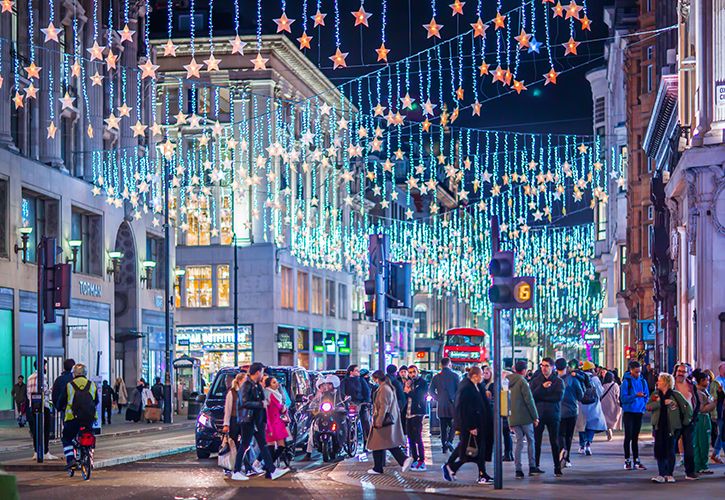
MRI Software has published monthly commentary for December 2025, covering the five-week period from 30th November 2025 – 3rd January 2026.
- December delivered the strongest annual uplift since 2011, with visits up +1.3% year on year, driven by a surge in evening and night-time activity (+5.3% after 5pm) as shoppers likely combined retail with dining, leisure and socialising.
- Boxing Day was the standout trading day, recording the strongest performance in ten years, with footfall rising +4.4% year on year across all retail destinations and evening visits up almost +10%, highlighting a clear shift towards experience-led trips post-Christmas.
- Retail stores and destinations need to embrace data and insights as a core part of their strategy; using real-time data and digital engagement to respond to how shoppers are behaving on the ground, reinforces that future footfall growth is likely to be driven by experience, agility and smarter use of data, not store presence alone.
December delivered a welcome boost for UK retail, closing the year on a far more optimistic note than many had anticipated. Footfall rose across all UK retail destinations, with visits up +1.3% year on year and +5.1% month on month, highlighting the continued importance of physical retail during the peak festive trading period. High streets led the annual growth recording a +2.0% increase, followed by retail parks (+1.2%) and shopping centres (+0.1%).
Encouragingly, this marks the strongest annual uplift in December since 2011, driven not just by daytime visits but by a significant rise averaging +5.3% in evening and night-time footfall after 5pm. This reinforces a trend that was prominent in 2025 with the growing role of leisure, hospitality and experience-led visits in supporting retail performance, especially in town and city centres.
Momentum built steadily throughout the month following a steady Black Friday period, before accelerating sharply in the final days before Christmas. Christmas Eve emerged as the core day for pre-Christmas shopping, with footfall up +1.4% year on year in all UK retail destinations, as shoppers made last-minute trips for those festive purchases, particularly to retail parks and shopping centres where convenience was key.
This continued into Boxing Day with the strongest performance recorded in a decade, as footfall rose +4.4% year on year across all UK retail destinations. Retail parks led the way (+8.8%), but high streets and shopping centres also benefited as shoppers likely combined sales trips with dining, leisure and socialising. Notably, with a number of stores remaining closed on Boxing Day, the uplift was driven by evening activity, with footfall between 5pm and 11pm almost +10% higher than last year, reinforcing how post-Christmas trading is increasingly shaped by experiences rather than purely transactional shopping.
While the final week of the year saw a natural drop week on week following peak festive days, annual footfall remained firmly in growth (+4.6%), supported by strong trends in Central London and historic towns as people likely visited for sales, theatre trips and seasonal attractions.
However, while December provided a much-needed boost, retail leaders remain realistic about what lies ahead. MRI Software’s Insights from the Inside* revealed that 76% of retailers expect January sales to be lower than January last year, highlighting the caution that continues to shape trading strategies but is typically expected after December. This follows a festive period where 64% of retailers reported lower sales in the week leading up to Christmas, despite the stronger footfall patterns seen across many retail destinations.
That said, there are early signs of resilience carrying into the new year. 38% of retailers say Christmas returns have already delivered a positive impact on sales, helping to sustain footfall into early January and offering a valuable opportunity to re-engage shoppers post-Christmas.
What December has made clear is that footfall growth is no longer guaranteed by presence alone. Recent store closure announcements have highlighted the structural pressures facing the sector and reinforce the reality that, for physical retail to thrive in 2026, retail leaders must be far more deliberate in how they attract, engage and retain shoppers.
Against this backdrop, December’s stronger performers were likely the stores and destinations that moved quickly and acted on insight. MRI Software’s Insights from the Inside shows that 83% of retailers actively used social media to drive footfall during the Golden Quarter, using digital channels to build urgency, spotlight in-store experiences and convert online engagement into physical visits at key trading moments.
Crucially, this digital engagement was most effective when paired with real-time, on-the-ground data. Retailers leveraging data and insights into dwell time, shopper movement and peak trading periods were likely better able to align staffing, refine store layouts and tailor promotions to how consumers were actually behaving in store, rather than relying on historic assumptions. As retailers continue to review their estate portfolios, this level of insight is becoming fundamental in determining which stores to invest in, evolve or, in some cases, exit.
The in-store environment itself also plays a defining role. Facilities management is a critical, yet often overlooked, driver of performance, with clean, safe and well-maintained spaces supporting longer dwell times and reinforcing shopper confidence. In a landscape which is becoming increasingly rationalised, the quality of the in-store experience is proving to be just as important as location alone, particularly as consumers become more selective about where they choose to spend their time.
As we move into January, footfall is expected to soften, but December has demonstrated that physical retail remains resilient when shoppers are given a compelling reason to visit. Retailers and destinations that continue to blend data-led insight with experience-driven environments - spanning retail, leisure and hospitality – are likely better placed to navigate the quieter weeks ahead and build sustainable momentum into 2026.
*A weekly survey of over 700 store managers which provides insights from the shop floor around how external factors and consumer behaviour are impacting both footfall and spending.
Source : MRI Software
Image : IR_Stone / iStock / 1355828207



Thank you for the excellent presentation that you gave at Woodbury Park on Thursday morning. It was very interesting and thought-provoking for our Retail members. The feedback has been excellent.


Don't miss out on all the latest, breaking news from the DIY industry