UK DIY News
How Unpredictable Weather Impacts Outdoor Workers and Trades
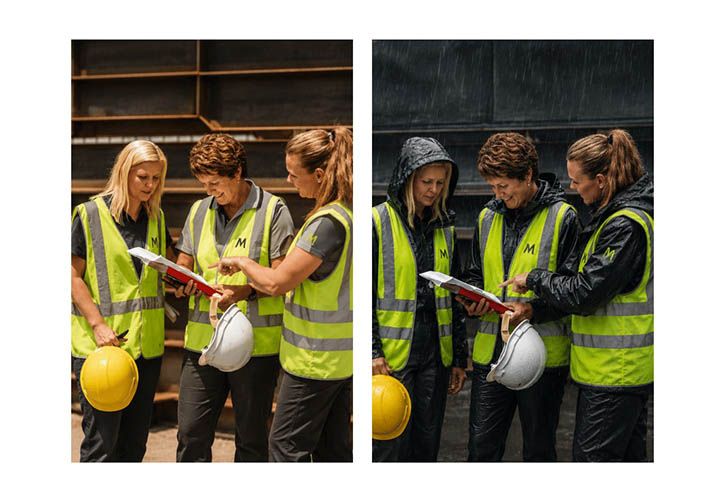
- How unpredictable weather impacts outdoor workers and trades – and how workwear needs to adapt
Unpredictable weather is creating growing challenges for outdoor workers and tradespeople, with fluctuating temperatures, heavy rain, strong winds, and sudden warm spells making it increasingly difficult to stay comfortable and protected on site.
Construction workers, landscapers and other outdoor trades are particularly affected, as cooler mornings can quickly turn into hot afternoons before heavy showers, thunderstorms or windy conditions arrive later in the day. Wearing the wrong workwear for these rapidly changing conditions can leave workers overheating, soaked, distracted and uncomfortable during outdoor shifts.
Adam Halewood, Head of Sales at custom workwear supplier Clothes2order, reveals the most common spring workwear mistakes outdoor workers make, the issues these cause and how to avoid them.
Wearing heavy winter layers all day
Adam says, “One of the biggest mistakes outdoor workers make during periods of unpredictable weather is relying on clothing that only suits one set of conditions.
At 8 am, thick fleeces, thermal jackets and hoodies can feel essential, especially when working outdoors on exposed sites. But by midday, temperatures can rise significantly, particularly for workers carrying out physically demanding tasks.
This often leads to overheating, discomfort and workers removing layers as the day goes on. In some cases, workers may swap parts of their PPE or uniform for personal clothing to stay cool, which can affect both professionalism and compliance with workplace safety requirements.
Rapidly changing weather requires adaptable workwear rather than clothing designed solely for either cold or hot conditions. Workers should instead focus on lighter, breathable clothing combinations that can be adjusted throughout the day as conditions change. Moisture-wicking base layers, lightweight mid-layers and flexible outerwear options can all help workers stay comfortable without overheating.”
Underestimating sudden rain and windy conditions
Adam explains, “Many workers and businesses underestimate just how quickly weather conditions can change. Sudden rain showers can appear with little warning, leaving outdoor workers soaked and uncomfortable for the rest of the day.
Without proper waterproofs available, workers often reach for mismatched emergency waterproofs that look unprofessional, and may not provide suitable protection, leaving workers cold, distracted and less comfortable on site.
Strong winds can also make lightweight clothing feel much colder than expected during the morning, especially when workers are stationary or operating machinery outdoors. The key is having protective outer layers without these being bulky or restrictive once temperatures begin to rise later in the day.
Keeping lightweight waterproof jackets, breathable rainwear and packable waterproof shells nearby allows workers to respond quickly when conditions suddenly change, without overheating once the rain passes.”
Forgetting about sun exposure and overheating
“Many workers focus on rain and cooler conditions but underestimate how quickly sun exposure and temperatures can rise during warmer spells,” Adam says.
“Outdoor workers can spend hours exposed to direct sunlight and wearing thick or non-breathable clothing during unexpectedly warm afternoons can quickly lead to discomfort, dehydration and fatigue.
As temperatures increase during periods of warmer weather, employers should ensure workers have access to lighter workwear options, breathable hi-vis garments and fabrics designed to improve airflow and reduce heat build-up. Encouraging regular hydration and breaks during hotter weather is also important for maintaining both comfort and concentration on site.
Adam adds, “The UK's increasingly unpredictable weather can be particularly difficult for outdoor workers because conditions can change every hour. Workers may experience cooler temperatures, heavy rain, wind, thunderstorms and strong sunshine all within a single shift.
The businesses that prepare properly with flexible, weather-ready workwear are far more likely to keep workers comfortable, productive, protected and looking professional, regardless of what conditions the day brings.”
Understanding employer responsibilities during hot weather
Adam says, “One common misconception is that employees automatically have the right to stop wearing workplace uniforms once temperatures reach a certain level. In the UK, there is no maximum workplace temperature set by law and no automatic temperature trigger requiring employers to relax dress codes.
However, employers still have a duty to make sure working conditions are safe and reasonable. Heat is a workplace hazard like any other, so uniform and dress code policies should be considered as part of wider workplace risk assessments, especially during prolonged periods of hot weather.
Where safe and appropriate, businesses should consider lightweight, breathable fabrics, flexible dress code policies, access to regular breaks and hydration, and whether staff can remove unnecessary layers. Any adjustments should still respect PPE requirements, hygiene standards, sun protection and the specific risks of the role.
As hot spells become a more regular feature of UK weather, businesses should review uniform policies seasonally rather than waiting until staff are already uncomfortable. The aim should be to balance professional standards with employee wellbeing and safety.”
Source : Clothes2order
Image : Clothes2order



Insight DIY is the only source of market information that I need and they always have the latest news before anyone else.


Don't miss out on all the latest, breaking news from the DIY industry